

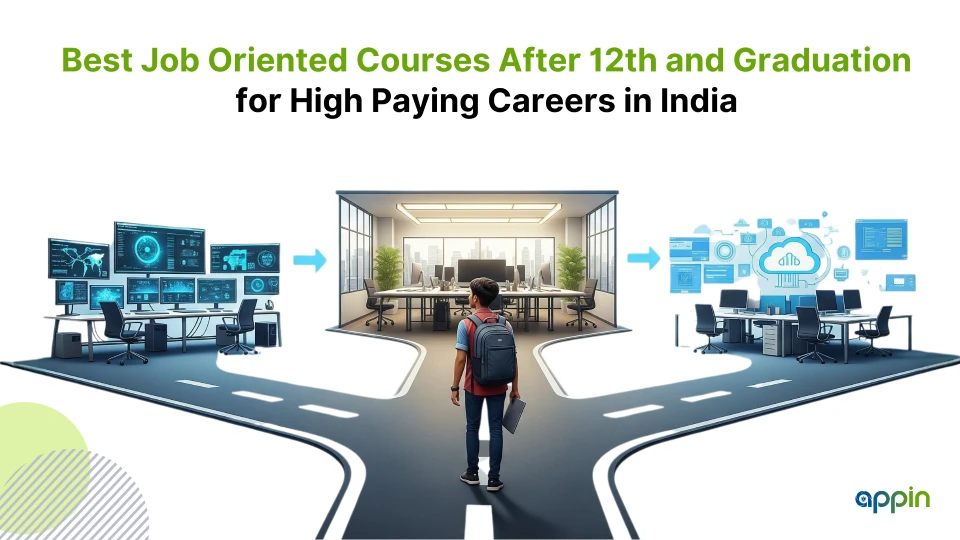
The best job oriented courses after 12th and graduation can fast track your path to a high paying career when you choose programs focused on practical skills, mentor support, and placement outcomes. This guide explains which courses work for different starting points and how to convert training into a job.
Why choose job oriented courses after 12th and graduation?
Yes, job oriented courses close the gap between education and employment by focusing on skills employers actually hire for. The best job oriented courses after 12th and graduation combine project work, labs, and interview preparation to make you job ready quickly.
These programs are shorter than traditional degrees and include hands on exercises that let you build a portfolio you can show recruiters. For many students and fresh graduates, this practical focus leads to faster interviews and higher starting salaries.
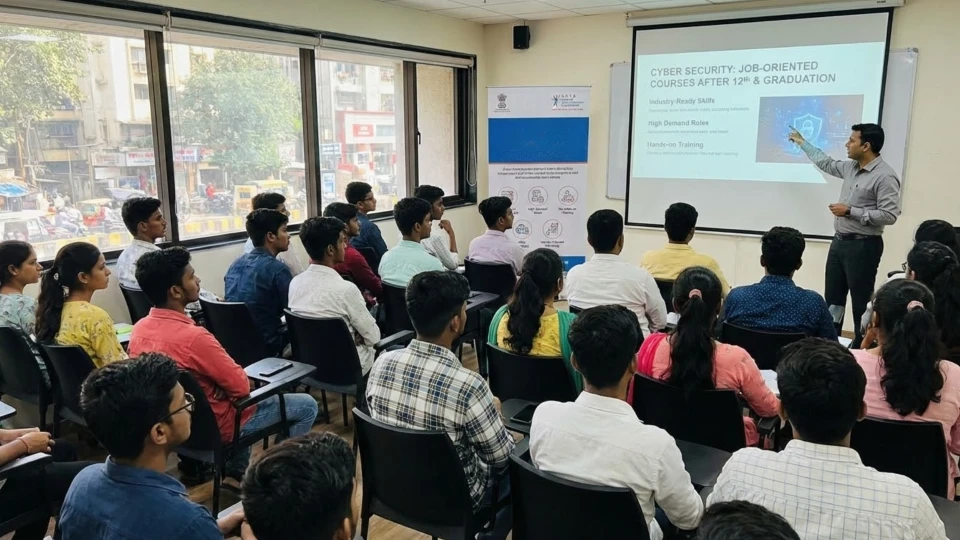
Which courses are best after 12th for high paying careers?
After 12th, choose courses that match your interests while targeting fields with strong hiring demand such as IT, data, and cybersecurity. Picking a focused diploma or bootcamp after 12th can put you into entry level roles within months.
- Diploma in Data Science and Analytics — 6 to 12 months, prepares you for data analyst and BI associate roles with projects that use Excel, SQL, and Python.
- Web and Mobile App Development Bootcamp — 3 to 9 months, teaches HTML, CSS, JavaScript, and a backend framework for junior developer roles.
- Cloud Computing and DevOps Foundations — 3 to 6 months, covers cloud basics and automation for cloud support engineer roles.
- Certified Ethical Hacking and Cyber Security — 3 to 12 months, trains you for SOC analyst and vulnerability analyst roles; see Appin programs for more details.
- UI UX Design Professional Course — 3 to 6 months, focuses on design thinking and prototyping for UI designer roles.
- Digital Marketing and E commerce — 3 to 6 months, routes into performance marketing and SEO roles.
These options are practical for students who want a short, targeted study path that leads to early employment or internships while they continue other education.
Which courses work best after graduation for faster growth?
Graduates should choose job oriented courses that add marketable, technical skills to their bachelor degree. Employers look for graduates who pair theoretical knowledge with demonstrable project experience.
- Post graduate diploma in Machine Learning and AI — 6 to 12 months, ideal for graduates who want data science or ML engineer roles with strong demand in product companies.
- Full stack development — 3 to 9 months, equips graduates for software engineering roles with both frontend and backend skills.
- Cloud certifications plus hands on labs — AWS, Azure, or GCP foundational to associate levels help in cloud engineer roles.
- Advanced cybersecurity tracks — CEH v13 and practical exploitation labs prepare graduates for penetration testing and security operations roles.
- Business analytics and product management — short diplomas that open higher paying roles in tech firms and startups.
Complement your graduation subject with one clear technical skill that fills recruiter demand, then reinforce it with projects and internships for faster salary growth.
Short term certification courses that deliver immediate job value
Short term certificates with labs and a final project are effective when you need a fast route into the job market. These courses teach tools and workflows recruiters check for in entry level screenings.
- CompTIA Security+ or cloud foundational certs provide baseline credibility for security and cloud support roles.
- Google Data Analytics Professional or Python for data courses give practical analyst skills employers expect.
- Bug bounty practice and ethical hacking labs offer hands on proof of skill; see bug bounty related programs at Appin.
Short certificates work best when paired with a small portfolio that shows your work and explains the impact you helped create. Recruiters notice demonstrable results more than certificates alone.
How to choose between different job oriented courses?
Choose courses based on demonstrable outcomes such as sample projects, lab access, and placement assistance. Avoid programs that promise vague benefits without evidence of graduate success.
- Check graduate outcomes and ask to see sample projects or demo classes before enrolling.
- Prefer programs with mentor guidance, career coaching, and interview practice.
- Match course duration to your urgency; short courses for quick entry and longer programs for deeper skill build.
Also consider whether the program helps you network with hiring managers or alumni, as that is often the fastest path to interviews.
Expected salary ranges for job oriented courses in India
Yes, targeted job oriented training can push your starting salary above average fresh graduate packages when the skills are in demand. Salaries depend on city, company size, and how well you present your projects and internships.
| Course Type | Typical Entry Roles | Approx Starting Salary (INR per year) |
|---|---|---|
| Web Development Bootcamp | Junior developer | 2.5 to 5 LPA |
| Data Science / Analytics | Data analyst | 3 to 6 LPA |
| Cloud / DevOps | Cloud support engineer | 3 to 6 LPA |
| Cybersecurity / CEH | SOC analyst, vulnerability analyst | 3 to 6 LPA |
| UI UX Design | UI designer, UX associate | 2.5 to 5 LPA |
With strong internships and projects, graduates in metros can command higher packages, especially in product companies and managed service firms.
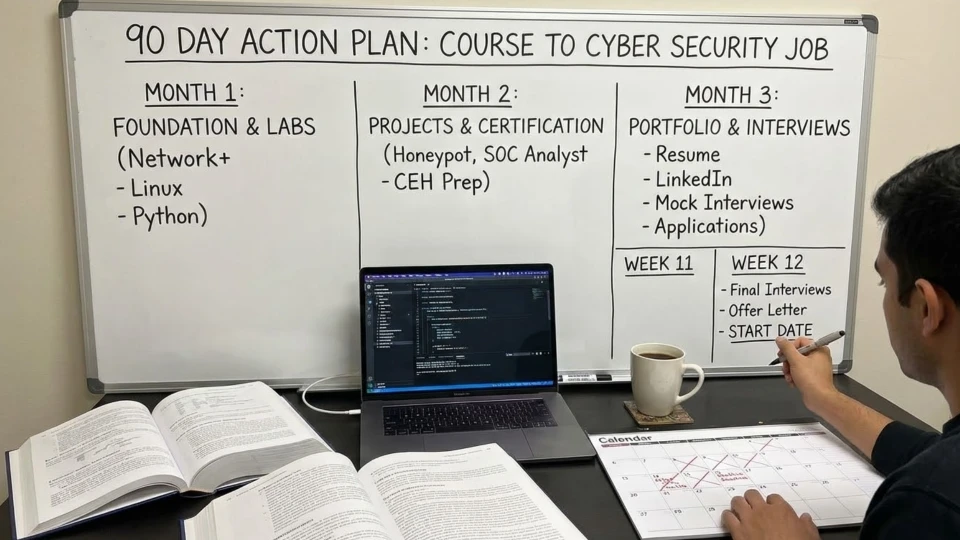
90 day action plan: move from course to job
Yes, a focused 90 day plan will help you finish a course, build relevant projects, and begin applying with confidence. Treat each week as a measurable milestone with clear deliverables.
- Weeks 1 to 2: Choose the course aligned with job demand and verify labs and placement success.
- Weeks 3 to 6: Complete core modules and one guided project you can show on GitHub or a portfolio site.
- Weeks 7 to 10: Build two small, polished projects with readme files and deploy demos where possible.
- Weeks 11 to 13: Do mock interviews, polish your resume, and apply to 20 targeted roles while networking with alumni.
Track interview feedback and iterate on your resume and demo based on recruiter responses. Small improvements compound quickly.
Where to study and how to verify quality?
Choose institutions that provide hands on labs, mentor support, and clear placement assistance. Verifying quality before you enroll reduces the risk of time or money wasted.
- Speak to alumni and ask for placement statistics and employer names where graduates work.
- Request a trial lab or demo class to evaluate teaching quality and tooling.
- Check whether the program aligns with the job titles and skills you want to target.
Local institutes and well structured online platforms both work when they include real projects and human mentorship.
Which course should you pick?
Pick a job oriented course after 12th or graduation that matches market demand and includes practical labs, mentorship, and placement support. Focus on building a portfolio that proves your skills and a routine that drives consistent applications.
For high paying tech roles, data, cloud, development, and cybersecurity are reliable options. For creative and business tracks, UI UX and analytics become rewarding when paired with strong project work and internships.
FAQ
Can I start a job oriented IT course after 12th without a degree?
Yes. Many bootcamps and diploma programs accept students who have completed 12th and prepare them for entry level roles with focused practical training. These programs emphasize project work and placement readiness rather than academic prerequisites.
How long before I can expect interviews after completing a short course?
If you build projects and actively apply, you can start getting interviews within one to three months after finishing a short course. Speed depends on demand for the skill and how well you present results in your resume and portfolio.
Are placement guarantees reliable?
Placement guarantees vary significantly by provider and usually have conditions. Better indicators are transparent alumni outcomes, publicly shared employer names, and sample projects you can verify yourself.
Should I choose a long diploma or several short certificates?
Longer diplomas offer depth and a broader project base while short certificates deliver faster entry. A balanced approach is to pick a short certificate to enter the market quickly and a longer diploma for deeper growth when time and budget allow.
