

What Does a SOC Analyst Actually Do? Day in the Life and Salary in India 2026
SOC analyst job description in India: a SOC analyst monitors security telemetry, investigates suspicious activity, and coordinates response to protect systems and data.
What is a SOC analyst?
A SOC analyst is a security professional who monitors, detects, and responds to cyber threats in an organization.
SOC stands for Security Operations Center. Analysts work as part of a team that uses logs, alerts, and telemetry from SIEM, EDR, and network tools to identify incidents early and reduce business impact. The role blends technical investigation with clear documentation and escalation procedures.

What does a typical day in the life of a SOC analyst look like?
A typical SOC shift focuses on alert monitoring, triage, deep investigation, and handover to the next shift.
Shifts usually begin with reviewing overnight alerts and unresolved incidents. Throughout the shift analysts triage new alerts, investigate suspicious events, run containment steps when needed, and update tickets with findings. Regular tasks include tuning detection rules, running searches in the SIEM, and participating in incident postmortems.
Common daily activities:
- Shift handover and review of open incidents.
- Alert triage using SIEM dashboards and correlation rules.
- Host and network investigation using EDR and packet capture.
- Containment coordination with IT and application teams.
- Post incident writeup and detection improvement.
What are the core responsibilities of a SOC analyst?
The core responsibilities are to detect threats, investigate their scope, and support containment and remediation.
SOC analysts maintain continuous monitoring, perform root cause analysis, enrich alerts with context, and escalate incidents as needed. They document actions, preserve evidence, and follow playbooks to ensure consistent response. Over time they also help refine detections to reduce false positives and speed up triage.
What tools and technologies do SOC analysts use?
SOC analysts rely on SIEM, EDR, network monitoring, SOAR, and threat intelligence platforms to find and respond to threats.
Key tool categories include SIEM for log aggregation and correlation, EDR for endpoint visibility, packet capture and network analysis tools for traffic inspection, and SOAR for automating repeatable workflows. Threat intelligence feeds and IOC databases provide context that speeds up investigation.
Common tools and categories:
- SIEM (for log collection and rules)
- EDR (for endpoint forensics and containment)
- Network analysis and packet capture tools
- SOAR and ticketing systems for orchestration
- Threat intelligence and vulnerability feeds
What technical skills does a SOC analyst need?
SOC analysts need practical skills in log analysis, networking, operating systems, and basic scripting or query writing.
Important areas include TCP/IP fundamentals, DNS and HTTP behavior, Linux and Windows log formats, and composing queries in SIEM languages. Familiarity with forensic basics, packet inspection, and command line tools speeds up investigations. Scripting skills in Python or PowerShell help automate repetitive tasks and enrich alerts.
What soft skills matter for a SOC analyst?
Soft skills like clear communication, structured thinking, and working calmly under pressure are critical for SOC roles.
Analysts must write concise incident reports, explain technical findings to nontechnical stakeholders, and coordinate actions across teams. Time management and the ability to prioritize high risk alerts improve SOC effectiveness. A curious mindset helps analysts uncover sophisticated threats that automated tools may miss.
Which certifications and training help start a SOC analyst career?
Entry level certifications like CompTIA Security+ and CEH help establish core security knowledge for SOC roles.
Applied training that covers SIEM operation, incident response labs, and hands-on EDR exercises is highly valuable. For focused SOC skills, courses that include simulated SOC shifts, live labs, and placement support give candidates a practical advantage. Appin offers industry aligned cybersecurity certification programs and certified ethical hacking training that map to SOC tasks and hiring needs.
How can a fresher become a SOC analyst in India? Step by step
A fresher can become a SOC analyst by building IT fundamentals, completing hands-on security training, and demonstrating applied projects or lab work.
- Learn fundamentals: Study networking, Linux, Windows internals, and basic scripting.
- Get hands-on: Practice with SIEM labs, EDR consoles, and packet analysis exercises.
- Certify: Consider CompTIA Security+, CEH, and other entry certifications.
- Build evidence: Create a portfolio of incident investigations, SIEM queries, and small automation scripts.
- Apply for Tier 1 roles: Look for SOC analyst, security operations, or junior incident response positions and internships.
Specialized programs such as CEH tracks or bug hunting diplomas help build practical skills. Appin’s applied courses, including CEH v13 courses and targeted bug bounty modules, can accelerate this path.
What does the SOC career ladder look like?
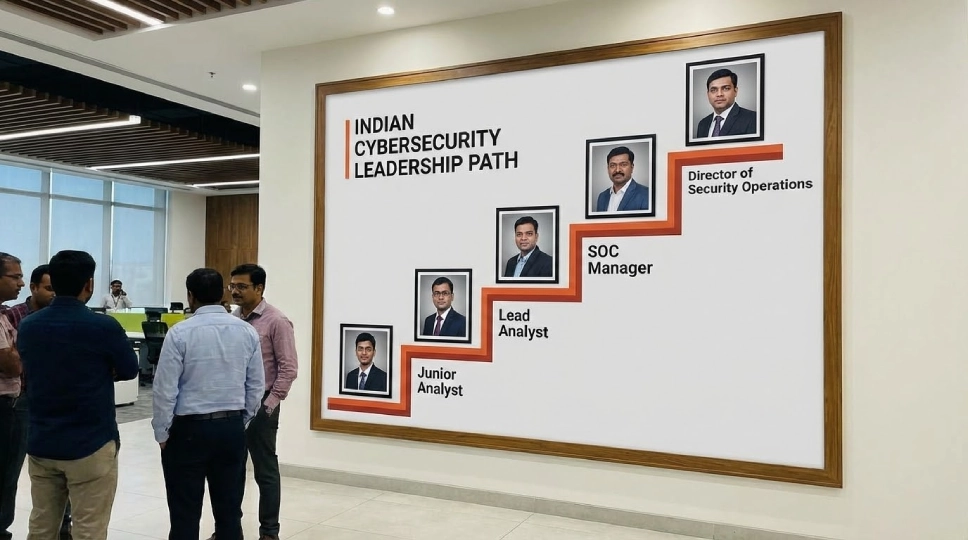
The SOC career ladder typically progresses from Tier 1 triage to Tier 2 investigation, Tier 3 forensics and hunting, and then to specialist or leadership roles.
Tier 1 focuses on monitoring and initial triage. Tier 2 handles deeper analysis, containment, and remediation. Tier 3 involves full forensics, threat hunting, and detection engineering. Beyond that, careers branch into security architecture, incident response leadership, or managed service roles.
What salary can SOC analysts expect in India in 2026?
SOC analyst salaries vary by experience, skill set, and city, with entry roles offering modest starting pay and specialists earning significantly more.
Typical market ranges for 2026 are higher in metros and for roles that require specialized skills like cloud forensics or threat hunting. These figures are indicative and vary by employer and local market conditions.
Salary table (typical India ranges, indicative):
Experience Level: Fresher / Tier 1
- Typical India Range (₹ LPA): 3.5 – 6.5
- Notes: Entry triage roles; on the job training common.
Experience Level: Mid level / Tier 2
- Typical India Range (₹ LPA): 6 – 12
- Notes: Investigation and remediation responsibilities.
Experience Level: Senior / Specialist
- Typical India Range (₹ LPA): 12 – 25+
- Notes: Threat hunters, detection engineers, and SOC leads.
How do shifts and work environments affect SOC jobs?
SOC roles commonly require rotating shifts because security monitoring often runs 24/7.
Expect night shifts, on call hours, and periodic high pressure incidents that require rapid response. Larger organizations maintain strict handoff procedures and playbooks to reduce error rates. Work environments can range from managed SOC providers to in-house security teams with different operational expectations.
What should freshers realistically expect when applying for SOC roles?
Freshers should expect to spend initial months learning tools, processes, and playbooks while handling supervised triage tasks.
Employers hiring freshers value demonstrable lab work, internship experience, and the ability to learn quickly. Early progression depends on how fast a candidate masters SIEM queries, analysis workflows, and incident documentation standards.
How to improve your chances of getting hired as a SOC analyst
Focus on practical experience, a visible portfolio, and targeted training that matches employer needs.
- Build a portfolio of SIEM queries, incident writeups, and scripts.
- Participate in capture the flag events and bug bounty programs for applied experience.
- Document investigations on GitHub or a personal blog to show your process.
- Practice common SOC interview scenarios and explain your reasoning clearly.
Where can candidates get applied SOC training and placement support?
Applied SOC training with labs, mentorship, and placement ties to employers provides the fastest route into entry roles.
Look for programs that include simulated SOC shifts, SIEM and EDR consoles, and real incident simulations. Institutions that offer career counselling and placement support increase the likelihood of landing a role. Appin provides practical courses and placement assistance tailored to entry security roles; see Appin for program details.
Common interview topics for SOC analyst roles
Interviewers typically test networking basics, log interpretation, incident handling steps, and familiarity with common security tools.
Common tasks include reading log excerpts, explaining containment steps for malware, describing how to validate an IOC, and writing a short runbook. Clear, structured answers and practical examples from labs or internships impress interviewers.
Is a SOC analyst role a good start for a cyber security career?
Yes. A SOC analyst role is a practical launchpad into cybersecurity because it exposes you to detection, response, and the toolset used across the industry.
Working in a SOC builds transferable skills for threat hunting, incident response, cloud security, and detection engineering. For learners who enjoy hands-on analysis and continuous learning, SOC roles provide a clear career trajectory and strong demand in the market.
