

Learning Cyber Security While Working Full-Time: How Weekend Batches Work
Learning cyber security while working full time is possible today because training formats have evolved to match the schedules of working professionals. Many students and early career professionals in India want to enter cyber security but cannot leave their current jobs. Weekend cyber security batches were designed specifically for this situation.
Cyber security is no longer limited to full time college students or fresh graduates. IT professionals, BPO employees, finance graduates, and even non technical workers are now shifting into security roles. The demand for skilled cyber security professionals continues to rise across India, especially in areas like ethical hacking, SOC operations, cloud security, and compliance.
Weekend training programs allow learners to study without disrupting their weekday responsibilities. These programs focus on practical skills, guided labs, and structured learning plans that fit into Saturdays and Sundays. Instead of rushing through concepts, learners get time to practice, revise, and build confidence.
For many working professionals, the biggest challenge is time management and consistency. Weekend batches address this by offering predictable schedules, recorded sessions, and mentor support. This blog explains how weekend cyber security batches work, who they are meant for, what skills are taught, and whether they truly help in building a career in cyber security.
What are weekend cyber security batches?
Weekend cyber security batches are structured training programs conducted on Saturdays and Sundays for working professionals and students with weekday commitments. These batches follow the same curriculum as regular programs but are delivered at a slower and more manageable pace.
Unlike short crash courses, weekend batches focus on step by step skill development. Sessions usually last three to four hours per day, allowing learners to absorb concepts without fatigue. Most programs combine theory, live demonstrations, and hands on labs in each session.
Key characteristics of weekend cyber security batches include:
- Fixed weekend schedules that do not clash with office hours
- Practical training using industry tools and attack scenarios
- Access to recorded sessions for revision
- Guided lab practice and assignments
- Mentor support during and after sessions
These batches are commonly offered for roles such as ethical hacking, SOC analyst, penetration testing, and cloud security. The goal is not just certification but job readiness.
Weekend training is especially popular in Tier 1 and Tier 2 cities in India where professionals want to upskill without career breaks. Many institutes also provide online weekend batches, making them accessible across locations.
For learners who are learning cyber security while working full time, weekend batches create a balanced learning environment. They allow professionals to continue earning while preparing for a career shift or promotion in cyber security.
How do weekend batches work for full-time professionals?
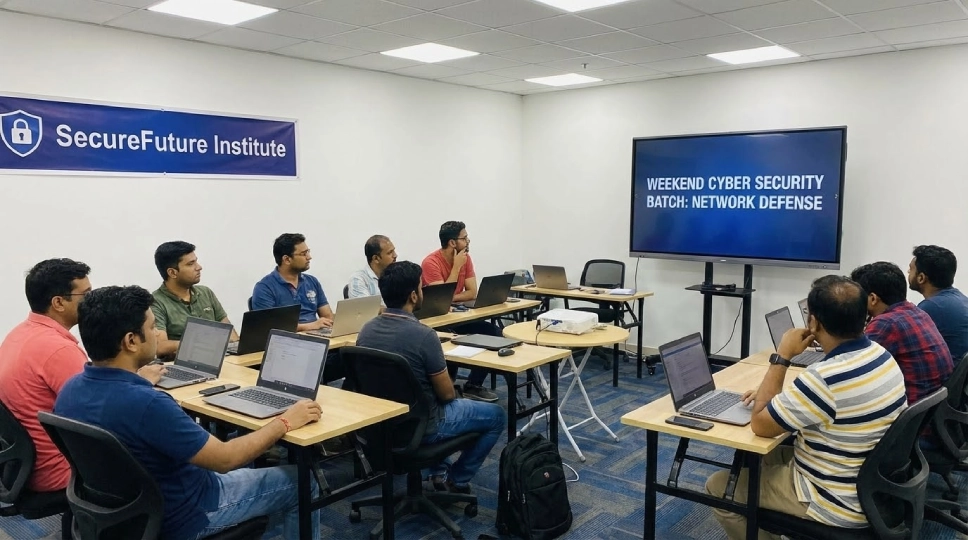
Weekend batches work by aligning training delivery with the realities of a full time work schedule. Sessions are typically held on Saturdays and Sundays, either in the morning or evening, depending on learner availability.
Most programs follow a modular structure. Each weekend focuses on one or two topics, ensuring learners are not overwhelmed. Trainers usually begin sessions with a quick revision before introducing new concepts.
A typical weekend batch structure includes:
- Live instructor led sessions on weekends
- Practical labs performed during or after class
- Weekly assignments to reinforce learning
- Doubt clearing sessions or mentor hours
- Access to learning portals and lab environments
Full time professionals are encouraged to spend one to two hours on weekdays for revision or lab practice. This flexible approach helps maintain continuity without pressure.
Another key feature is recorded content. If a learner misses a session due to work commitments, recordings ensure learning does not stop. Many institutes also provide extended lab access so learners can practice at their own pace.
Communication plays an important role. Trainers often create dedicated groups for announcements, doubt resolution, and peer discussion. This builds consistency and accountability among learners.
For those learning cyber security while working full time, this structure ensures progress without burnout. Instead of sacrificing work performance, learners gradually build cyber security skills alongside their existing job.
Who should choose weekend cyber security training in India?
Weekend cyber security training is ideal for individuals who cannot commit to full time classroom programs. It suits a wide range of learners across different career stages.
This format is best suited for:
- Working professionals in IT, BPO, or support roles
- Fresh graduates currently employed in non technical jobs
- Career switchers exploring cyber security opportunities
- Professionals preparing for internal role transitions
- Entrepreneurs or freelancers seeking security knowledge
Many learners come from non technical backgrounds such as commerce or arts. Weekend batches provide the extra time needed to understand foundational concepts without pressure.
Professionals in India often face long working hours and commute challenges. Weekend training removes the need for weekday travel and reduces stress. Online weekend batches further increase accessibility for learners in smaller cities.
If you are learning cyber security while working full time and want a steady transition rather than a sudden career break, weekend training offers a realistic and sustainable path.
What skills are taught in weekend cyber security courses?
Weekend cyber security courses focus on practical, job relevant skills rather than just theory. The curriculum is designed to prepare learners for entry level and mid level security roles.
Common skills taught include:
- Networking fundamentals and system basics
- Linux and Windows security concepts
- Ethical hacking techniques and tools
- Vulnerability assessment and reporting
- Security operations center workflows
- Cloud security fundamentals for AWS and Azure
- Incident response and log analysis
Training emphasizes hands on learning. Learners work with real security tools, simulate attacks, and analyze security incidents. This practical exposure helps bridge the gap between theory and industry expectations.
Soft skills are also addressed. Learners are trained on documentation, reporting vulnerabilities, and communicating findings clearly. These skills are critical in professional security roles.
Many programs include guidance on certifications and interview preparation. Resume building, mock interviews, and career mentoring are often part of the training package.
For those learning cyber security while working full time, this skills focused approach ensures that every hour spent on weekends adds measurable value. Instead of passive learning, learners actively build competencies that employers look for.
How do working professionals manage time during training?
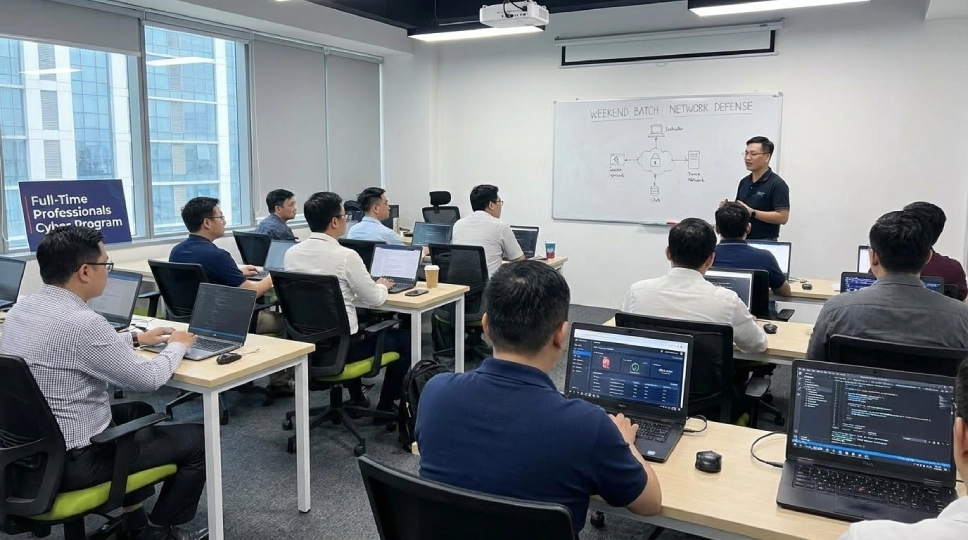
Working professionals manage time effectively by following structured routines and realistic study plans. Weekend batches are designed to support this balance rather than disrupt daily life.
Successful learners often follow these practices:
- Blocking fixed weekend hours for classes
- Using short weekday slots for revision
- Practicing labs immediately after sessions
- Setting weekly learning goals
- Avoiding multitasking during training hours
Time management improves when expectations are clear. Trainers usually provide learning roadmaps and milestones, helping learners stay on track.
Family and workplace communication also matters. Informing managers or family members about training commitments helps reduce conflicts. Many learners treat weekend sessions like professional commitments.
For learners who are learning cyber security while working full time, consistency is more important than speed. Regular attendance and gradual progress lead to better outcomes than rushed learning.
Career outcomes after weekend cyber security training
Weekend cyber security training can lead to meaningful career outcomes when combined with consistent effort and practical exposure. Many learners move into entry level security roles within months of completing training.
Common roles accessed after training include:
- SOC Analyst
- Junior Ethical Hacker
- Security Operations Executive
- Vulnerability Assessment Analyst
- Cloud Security Associate
Some professionals use weekend training to transition internally within their organizations. Others apply externally with updated skills and certifications.
Career outcomes depend on factors such as prior experience, lab practice, and interview readiness. Institutes that provide placement guidance and mentorship often improve learner success.
Weekend training does not delay career growth. Instead, it allows learners to prepare quietly while remaining financially stable. Many professionals secure offers before resigning from their current jobs.
For individuals learning cyber security while working full time, weekend batches offer a low risk path to career transformation.
Is weekend cyber security training worth it?
Weekend cyber security training is worth it for professionals who want to build skills without quitting their jobs. It offers flexibility, structured learning, and practical exposure tailored to real world schedules.
These programs are not shortcuts. They require discipline, practice, and commitment. However, they remove major barriers such as time constraints and financial risk.
For students and professionals in India, weekend batches provide access to cyber security careers that were once limited to full time learners. With the right institute, mentors, and mindset, learners can achieve strong career outcomes.
If you are serious about learning cyber security while working full time, weekend training is a practical and proven path to enter the cyber security industry.
