


What is the main difference between Skill India free courses and paid cyber security training
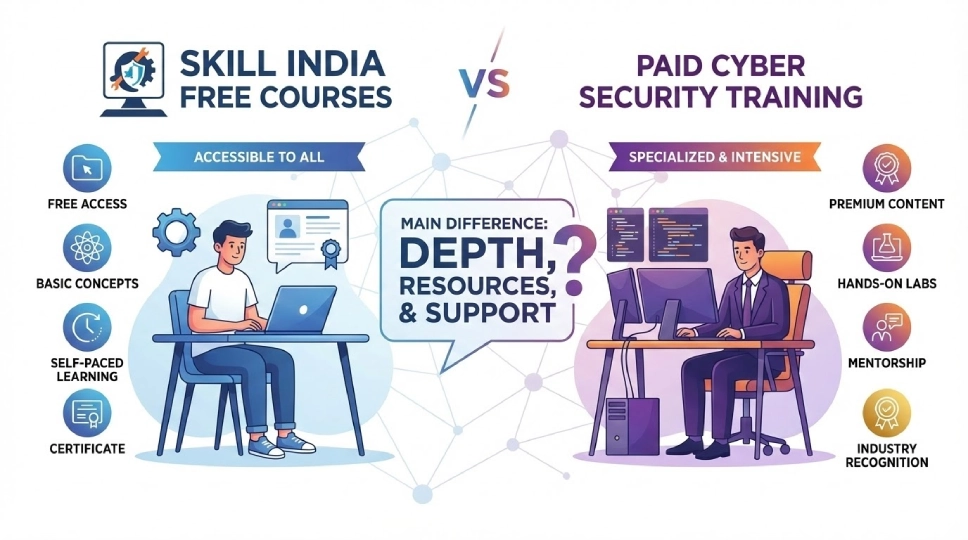
The main difference is scope and outcomes: Skill India gives structured free foundational content, while paid training adds deeper labs, certification pathways, and placement support.
The Skill India cyber security course is a valuable starting point for many learners in India because it offers free structured lessons and an official certificate at no cost.
For students and fresh graduates this makes it possible to test interest and learn basics without financial risk.
However, paid programs target hiring outcomes by focusing on employer relevant projects, extended lab time, mentorship, and placement services. Read on for a practical comparison that helps you decide which option fits your goals and timeline.
What does the Skill India cyber security course include and who is it best for?
Skill India free courses typically include core conceptual modules, short video lessons, and a basic certificate on completion.
The free course is best for beginners who need an introduction to cybersecurity concepts without financial commitment. Typical elements include:
- Overview modules on networking basics, security principles, and common attack types.
- Short lessons or micro modules that explain concepts like firewalls, malware types, and authentication.
- Assessment quizzes and a completion certificate that can be shared on a resume or LinkedIn profile.
Many candidates from non technical backgrounds use the Skill India course to check whether cybersecurity is a fit before committing to paid training.
Can a free course replace paid training for landing a job in cyber security?
A free course rarely replaces paid training when the goal is immediate placement into entry level security roles.
Free courses give you knowledge, but paid programs focus on practice and hiring readiness. Employers hiring freshers look for proven hands on skills, project work, and demonstrable lab experience.
Free courses provide the knowledge layer, while paid training is usually required to convert that knowledge into practical competence that recruiters recognise.
If your timeline is flexible you can combine free study with self practice and open source labs, but most students find a guided paid program shortens the job readiness path.
What do paid cyber security training programs offer that free courses do not?
Paid programs add extended hands-on labs, mentor support, interview prep, and a hiring pipeline.
Paid training typically includes:
- Extensive lab time with industry tools such as Kali Linux, Metasploit, Burp Suite, and SIEM platforms.
- Project based learning and capstone exercises that simulate real world tasks employers ask for.
- One to one mentorship, code or report reviews, and mock interviews to improve hiring outcomes.
- Placement assistance and recruiter introductions that increase interview volume. Paid options often include recognized certifications or preparation for them, which can be a differentiator during recruitment. For students interested in penetration testing or practical attack simulation, a paid certified ethical hacking training program is where you will get sustained practice.
Do certifications from paid courses matter for hiring and career growth?
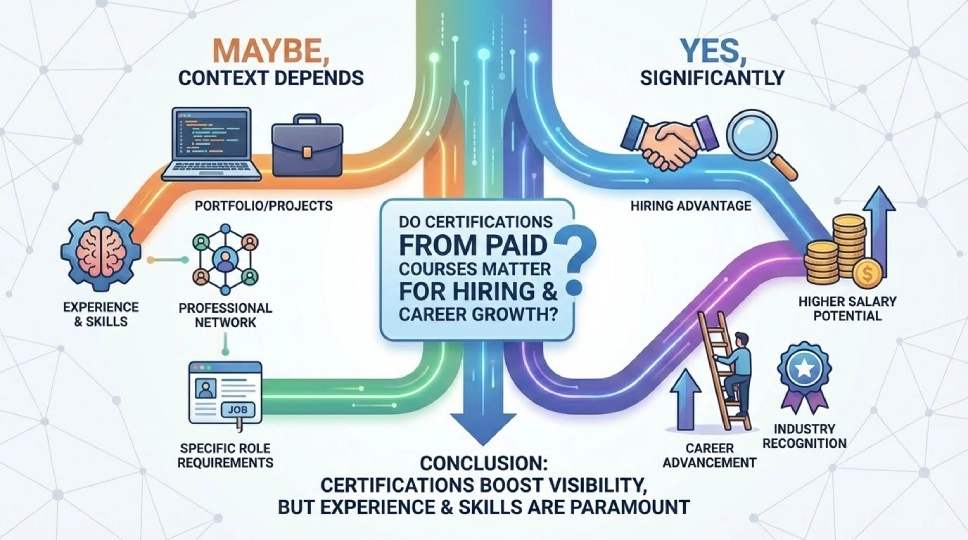
Industry recognized certifications significantly improve employer trust and can unlock better entry offers.
Certifications show an external verification of skills beyond a course completion certificate. Paid providers often help you prepare for vendor or industry certificates, and some programs bundle exam vouchers.Employers still value demonstrable skills, but recognized certifications support resume screening and salary negotiations.
A short list of advantages:
- Signals to recruiters that you have met a standard set of competencies.
- Helps pass automated resume filters when hiring platforms look for specific cert names.
- Can accelerate promotions when combined with documented project work.
If you plan a long term cyber security career consider research driven or vendor certifications and learn which ones are preferred for your target roles. For advanced placement and career progression, check higher value programs such as the CEH route and specialized diplomas. Appin’s page on cybersecurity certification programs explains how different certificates affect hiring.
How much practical lab work and placement support should you expect from paid training?
Paid courses should guarantee sustained lab hours and a structured placement process connected to employers.
Look for programs that provide:
- Access to virtual labs for at least 40 to 100 hours for entry level tracks.
- Realistic projects such as vulnerability assessments, web app pentests, and basic incident response exercises.
- Resume building, interview coaching, and recruiter introductions as part of the package. Programs that include mentor led labs and direct placement assistance justify higher fees because they shorten hiring time and raise first job prospects. If you want to specialise in penetration testing or white hat research consider options that map to practical tracks or a certified ethical hacking training pathway.
Cost comparison — ₹0 (Skill India) vs ₹45,000 vs ₹1,25,000: what are you paying for?
The price gap reflects depth of training, lab infrastructure, mentor access, certification vouchers, and hiring support.
A simple breakdown:
- ₹0 (Skill India free course): Core theory, short modules, and a certificate. Best for exploration and early learning.
- ~₹45,000 paid course: Basic paid bootcamps typically include more lab hours, guided projects, and some placement assistance. These are suitable for students who want a guided path with moderate support.
- ~₹1,25,000 advanced courses: Premium programs include sustained mentorship, real client like projects, exam vouchers for industry certifications, and strong placement guarantees. They also provide stronger recruiter pipelines and dedicated placement managers.
Value checklist to evaluate cost:
- How many lab hours are included and what platforms are used.
- Whether the program offers exam vouchers for industry certifications.
- The ratio of mentors to learners and availability for doubt clearing.
- Placement success metrics such as interview counts and average time to hire.
- Access to career building assets such as portfolio review, role based projects, and alumni network.
Use this checklist to compare any paid option before you commit.
What advanced options and specializations should students consider after a basic course?
After basics choose specializations that match hiring demand and your interest, such as penetration testing, cloud security, or bug bounty research.
Options to consider:
- Vendor and role specific certificates like cloud security or SIEM focused training.
- Specialized diplomas such as a bug bounty diploma program for students who want to pursue vulnerability research.
- Advanced recognized courses like the CEH v13 AI-powered course for those targeting penetration testing roles or red team functions.
Choosing a specialization is about aligning demand, salaries, and your technical strengths. Research average salaries for the specialization and the type of employers hiring in India for those roles.
How should a fresher decide between Skill India free training and a paid program?
The decision should be based on your current skills, time horizon to get hired, and budget for training and placement.
A practical decision tree:
- If you are unsure about cybersecurity, start with the Skill India free course to learn basics with zero investment.
- If you have a technical background and can self practice, combine free resources with open labs and targeted projects to build a portfolio.
- If you need a job within 3 to 6 months, choose a paid program that guarantees lab hours and placement support.
- If you aim for a specialized role such as pentester or cloud security engineer, pick a paid certification path that aligns with that role.
Remember that employers value demonstrable work more than a course price tag, so weigh program outcomes and evidence of hands on skills when deciding.
Should you pick Skill India or pay for training?
Use Skill India to build fundamentals, and choose paid training when you need faster hiring outcomes, sustained lab practice, and placement support.
The Skill India cyber security course is a low risk starting point and will teach core concepts and vocabulary. For students focused on getting hired quickly or aiming for niche roles, paid programs add the practical training, certification prep, and recruiter links that matter. Use the value checklist and decision tree above to compare options and pick the path that best matches your timeline and career goals.
