

Server Side Request Forgery (SSRF): How Hackers Making Servers Attack Themselves
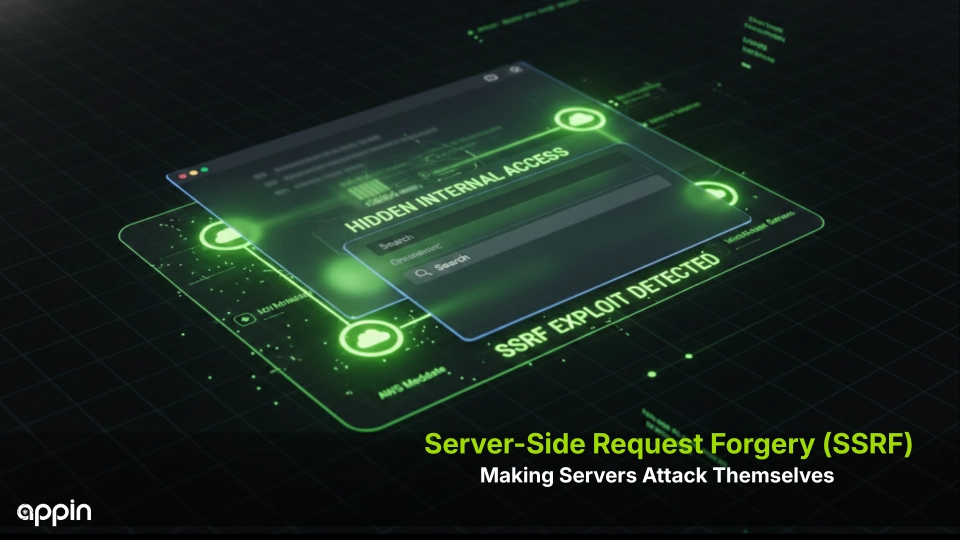
Server Side Request Forgery (SSRF) is a web security vulnerability where attackers trick a server into sending requests to internal systems. Instead of attacking the system directly, the attacker forces the server to perform the action.
Many web applications fetch external resources such as images, files, or API data. Weak validation in these features allows attackers to control where the server sends requests.
Security research from OWASP shows that SSRF vulnerabilities are increasing due to cloud infrastructure and microservices. A successful SSRF attack can expose internal services, sensitive APIs, and cloud credentials.
Businesses that rely on web applications must secure server request features to prevent internal network exposure.
What Is Server Side Request Forgery (SSRF)?
Server Side Request Forgery (SSRF) occurs when attackers force a server to send a request to an unintended destination.
The attacker provides a malicious URL input. The server processes the request and sends it to the target system.
How SSRF vulnerabilities appear in web applications
Many applications allow servers to retrieve external content. These features create opportunities for SSRF attacks.
Common examples include:
- Applications that fetch images from external URLs
- Systems that download files from remote locations
- Web applications that generate link previews
- Services that communicate with external APIs
Weak validation allows attackers to manipulate the destination of these requests.
Example of an SSRF attack
A simple SSRF attack can occur in the following way:
- A user submits a URL to fetch an image
- The attacker provides an internal network address
- The server sends the request to that internal service
- The attacker receives the response data
Cloud platforms such as AWS store sensitive credentials inside metadata endpoints. These endpoints are frequent SSRF targets.
Why Is Server Side Request Forgery (SSRF) Dangerous for Organizations?
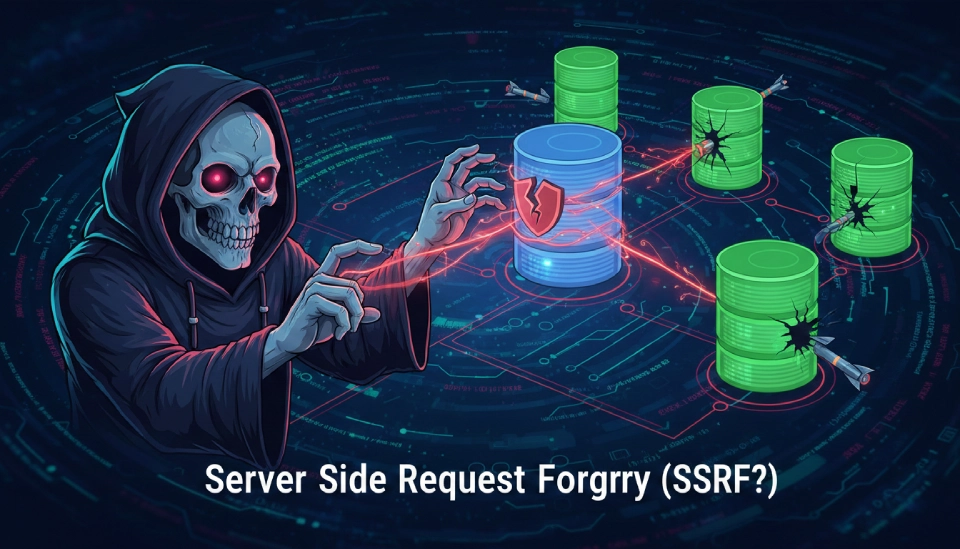
Server Side Request Forgery is bad because it lets attackers use the server to get to systems. These systems usually trust the server so they will do what the server asks. This can let attackers get to information like cloud credentials or internal data.
Some of the risks of Server Side Request Forgery include:
- Getting to internal APIs
- Exposing cloud credentials
- Finding servers and databases
- Leaking data from backend systems
Research shows that metadata endpoints are one of the most common targets of Server Side Request Forgery attacks. If an attacker can get to these endpoints they might be able to move into the network and compromise more systems.
How Do Hackers Exploit Server Side Request Forgery (SSRF)?
Hackers use Server Side Request Forgery by tricking the server into sending requests to the places. They do this by changing the URL that the server uses.
Some common ways that hackers use Server Side Request Forgery include:
- Giving the server a URL that points to a system inside the network
- Targeting services that are running on the server
- Getting to cloud metadata endpoints
- Scanning the network through the server
Security testers often find these weaknesses by looking at the traffic between the website and the server. They use tools like Burp Suite to intercept and change requests while analyzing HTTP traffic to discover web vulnerabilities . Hackers use techniques to exploit Server Side Request Forgery vulnerabilities.
What Are Common Examples of Server Side Request Forgery (SSRF) Attacks?
Server Side Request Forgery can happen in different ways. Some common examples include:
- Tools that get images from URLs
- Webhooks that process requests from places
- Features that show previews of links
- Cloud services that expose metadata endpoints
Many bug bounty reports show that attackers are using Server Side Request Forgery to get credentials. Once they have these credentials they can control resources or get to sensitive storage systems.
How Do Security Testers Detect Server Side Request Forgery (SSRF)?
Security testers find Server Side Request Forgery by testing the features of a website that trigger server requests. They focus on the URLs and the resources that the server gets from places.
Some common ways that security testers find Server Side Request Forgery include:
- Giving the server a URL that points to a system inside the network
- Testing the localhost. Loopback IP addresses
- Sending requests to cloud metadata endpoints
- Looking at the servers responses for data
It is also important to do manual penetration testing because automated scanners often miss Server Side Request Forgery vulnerabilities. Security testers also watch to see if the server is getting data from systems.
How Can Developers Prevent Server Side Request Forgery (SSRF)?
Developers can prevent Server Side Request Forgery by limiting where the server can send requests. They should also check the URLs that the server uses to make sure they are safe.
Some best practices to prevent Server Side Request Forgery include:
- Only allowing the server to send requests to trusted domains
- Blocking IP ranges
- Checking and cleaning the URLs that the server uses
- Implementing network-level filtering
- Disabling unnecessary server request features
It is also an idea to monitor the servers requests to detect any unusual activity. Attackers might try to combine Server Side Request Forgery with techniques like uploading malicious files to compromise web servers to get deeper access to the infrastructure.
Key Takeaways
- Server Side Request Forgery lets attackers use the server to send requests to the places.
- Server Side Request Forgery can expose services, cloud credentials and backend systems.
- Cloud metadata endpoints are a target of Server Side Request Forgery attacks.
- Manual penetration testing can help detect Server Side Request Forgery vulnerabilities.
- Checking URLs and limiting where the server can send requests can reduce the risk of Server Side Request Forgery.
